


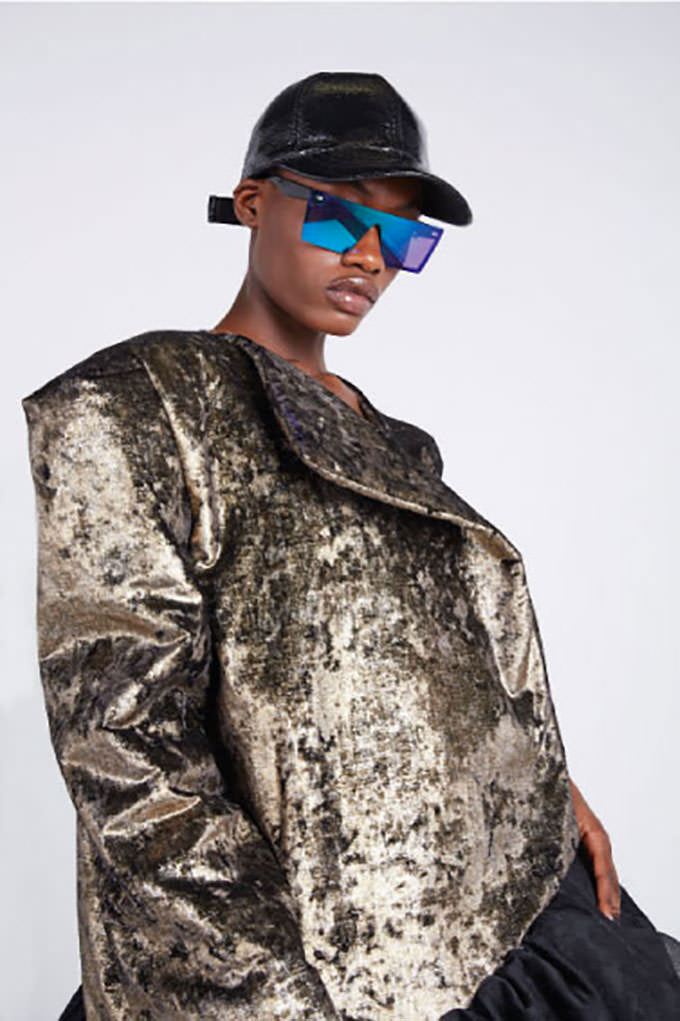

The textile designer chooses fabrics (fibers, prints …) and realizes mock-ups. This training includes different modules : technology (analysis of the textile industry, recognition of different fabrics’ characteristics and qualities), trends (conception of trend books), textile mock-ups (development of prints, color ranges), textile printing (different printing steps, printing various fabrics, understanding and using silkscreen equipment.

The home environment is another area of the textile industry and includes furniture fabrics, wall and floor coverings, and tableware… Training includes different modules : sampling (steps for concretizing creation), decoration (creating a mood), prototypes (realization of finished products adapted to the home decorating industry), household linens (conception of collections), furniture fabrics (creation of product ranges).

Ready-to-wear collections are conceived by designers in close collaboration with manufacturers. This training includes different modules : trends (presentation of trends, elaboration of a trend book), collection concept (process of elaborating a collection), collection plan (defining a coherent, logical collection plan), realization of a collection (conception and realization in relation with the patternmaking class).

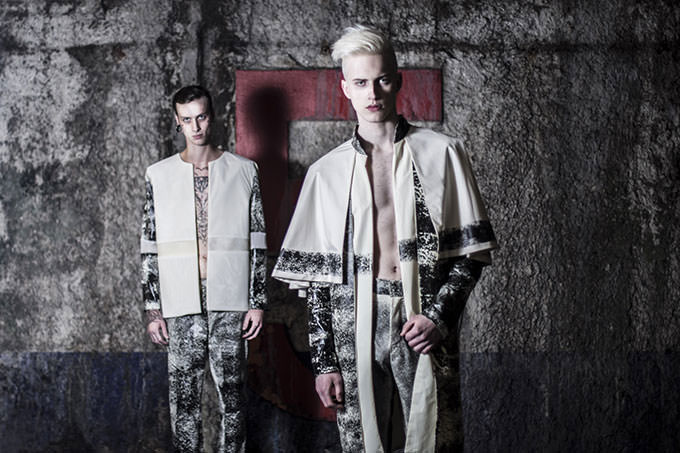
The designer is a pioneer who helps advance fashion techniques. This training includes different modules : creativity and personality (confirms the student’s esthetic sensibility), personal collection (elaboration of trends, realization of a collection), realization phase (study of a collection’s feasability, realization of ten outfits), commercialization of a collection (study of methods for selling a collection).

The patternmaker traces flat patterns on paper to faithfully interpret the design sketch. This training includes different modules : initiation (vocabulary and tools, flat cutting), learning the basics (transposing the scale of measurements), flat cutting (realizing and transforming basic silhouettes on paper), draping (conceiving and creating a volume), assembling (sewing pieces together), manufacturing (specific studies), realizing collections.

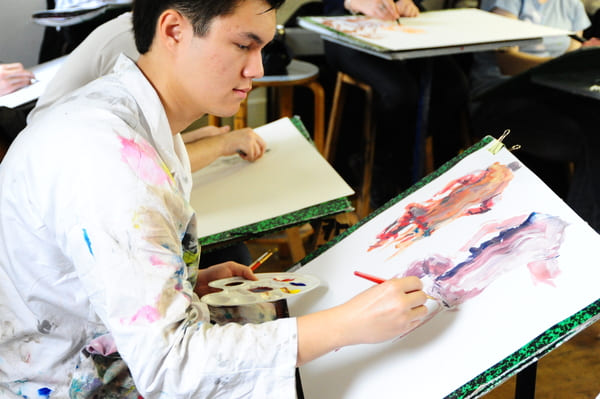
The realization of drawings requires a perfect mastery of various techniques (pencil, pastel, watercolor …).

Accessories have taken on an important role in the fashion industry today. This course is held partially in English, which allows students to perfect themselves in an essential language for the industry.

to present or explain one’s work, it is vital to master communication techniques.
• Training : Short exercises teach the student to be organized.
• Video projections of fashion shows and reports : allow students to study current trends.

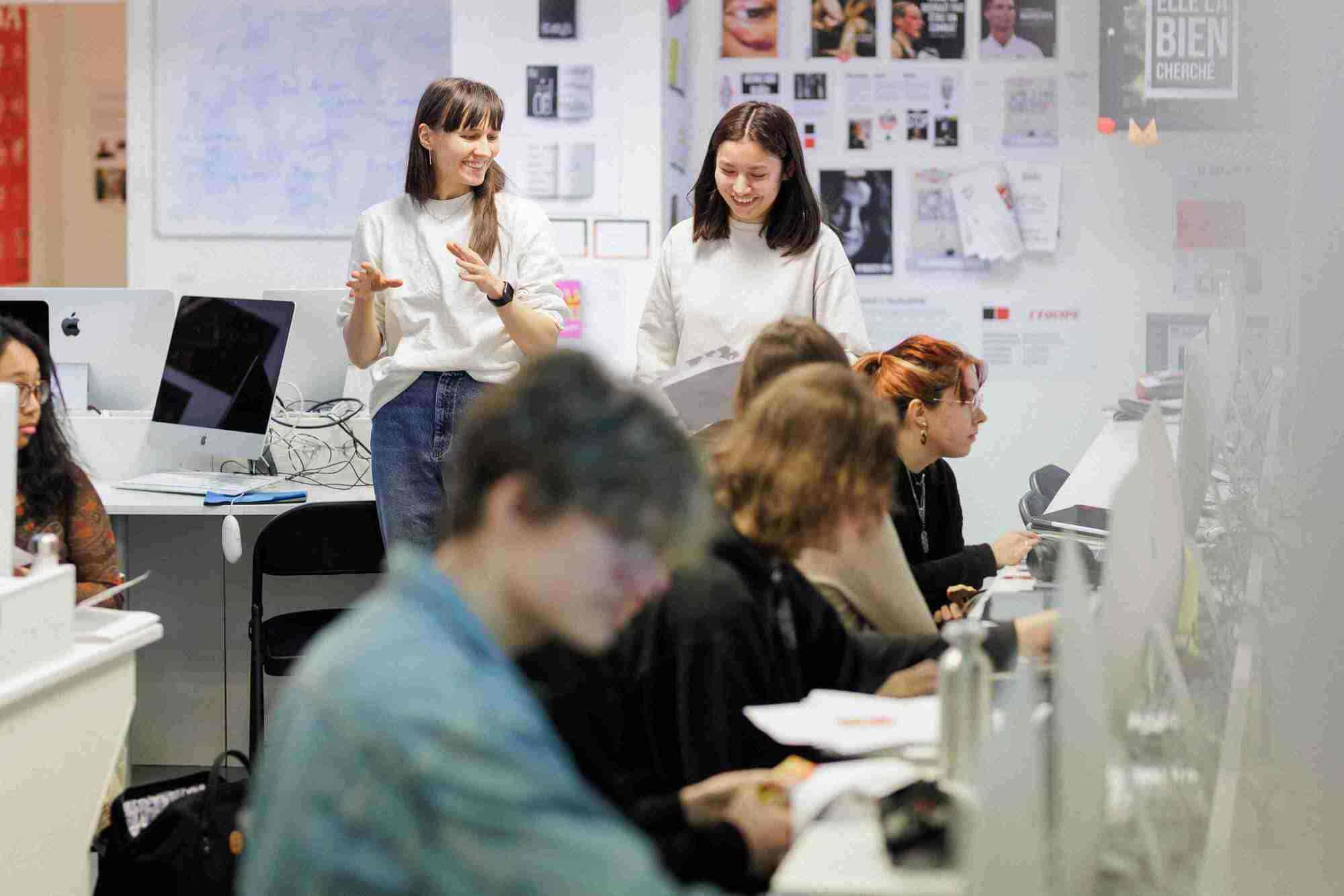
The use of computer tools and software (Xpress, Photoshop …) improve and diversify research into graphics.

To practice his trade, a fashion designer must be able to situate his creations in their historical context and know the origin of clothing styles, especially those which are indissociable from other arts (architecture, painting, sculpture, film …).

The study of fibers, weaving, dyeing and embellishing materials offers a more in-depth knowledge of the clothing industry.

8 square Henri Delormel 75014, tel : +33 1.45.43.02.02.
13 rue Vauquelin 75005, tel : +33 1.47.07.17.07.
55 rue du Cherche Midi 75006, tel : +33 1.42.22.13.01.
13 rue Poullain Duparc 35000 Rennes
Phone : +33 2.99.79.23.79
13 rue Baron 44000 Nantes
Phone : +33 2.40.20.30.50
1A rue Thiergarten 67000 Strasbourg
Phone : +33 3.88.22.44.22.